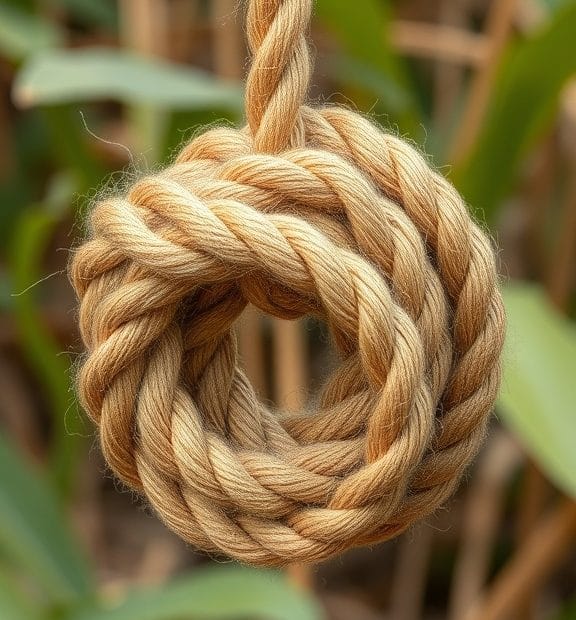
Techniques for Making Strong Rope from African Plant Fibers
Rope-making from African plant fibers is a craft steeped in tradition, showcasing the incredible resilience and versatility of nature. With many plant fibers available, each type brings its unique characteristics to the process. Understanding the techniques to craft strong rope not only connects you to cultural roots but also provides practical skills for various uses. Here’s how to start making strong rope from these remarkable fibers.
To begin, it’s important to select suitable plant fibers. Several types are commonly used across Africa:
- Sisal: Derived from the sisal plant, sisal fibers are tough and durable, making them ideal for heavy-duty ropes. They’re widely used in agriculture and industry.
- Bamboo: Surprisingly strong, bamboo fibers can create semi-flexible ropes. Their natural antibacterial properties also make bamboo rope suitable for various uses.
- Coir: Extracted from coconut husks, coir fibers are water-resistant and highly resilient. These fibers add extra strength for ropes needed in wet conditions.
- Flax: Flax fibers are soft and easy to work with. They create finer, lighter ropes perfect for crafts or delicate tasks.
- Hemp: Known for its strength, hemp fibers make ropes that can endure heavy loads and harsh environments.
Once you choose your fiber, the next steps involve harvesting and preparing the material. Harvesting usually occurs during dry seasons to ensure the fibers remain strong. Here’s a step-by-step guide to harvesting and preparing plant fibers:
- Cutting: Use a sharp knife or machete to cut the plants at the base. Aim for sections that are mature and firm.
- Retting: Submerge the cut fibers in water for several days. This process helps to separate the fibers from the woody parts, yielding the soft, strong fibers needed for rope-making.
- Extraction: After retting, gently scrape the woody parts off the fibers. This is best done with your fingers or a gentle tool to avoid damaging the fibers.
- Drying: Spread the cleaned fibers in a shaded, well-ventilated area to dry completely. This prevents mold and maintains strength.
With prepared fibers in hand, you can now start the actual rope-making process. Two primary techniques are traditional twisting and braiding:
Twisting Technique
1. Gather Fibers: Take several bundles of clean, dry fibers and align them parallel to each other. The number of bundles depends on the thickness of the rope you want.
2. Twisting: Start twisting the bundles together in one direction. As you twist, hold one end firmly to maintain tension.
3. Securing the End: Once you reach the desired length, secure the end by twisting it tightly or tying it off with an additional piece of fiber.
Braiding Technique
1. Prepare Sections: Divide the fibers into three equal sections. This allows for a sturdy braided rope.
2. Braid: Start by taking the right section, crossing it over the center section, then taking the left section and crossing it over the new center. Repeat this process, ensuring that the braid remains tight.
3. Finish the Braid: Once you reach the final length, tie a knot to secure it in place.
Both methods produce strong rope, but the choice between twisting and braiding depends on personal preference and the rope’s intended use.
Once your rope is complete, consider treating it for durability. Use natural oils, such as linseed oil, to seal the fibers, protecting them from water damage and giving your rope a longer lifespan. This step is particularly vital for ropes meant for outdoor use.
Making rope from African plant fibers connects you to nature and traditions while equipping you with practical skills. As you hone your techniques, you’ll appreciate the strength and adaptability of the fibers and their potential in various applications. Whether for practical use, artistry, or cultural practices, crafting strong rope opens endless possibilities for creativity and functionality. Dive into this age-old practice, and you might find new ways to appreciate the world around you.
The Cultural Significance of Plant Fiber Rope in African Communities
Plant fiber rope plays an integral role in the cultural landscape of African communities. This traditional material is more than just a practical resource; it embodies history, art, and social connection. By understanding the cultural significance of plant fiber rope, you can gain a deeper appreciation for its impact on everyday life in many African societies.
Making rope from plant fibers involves a meticulous process that showcases craftsmanship and skill. Most often, communities utilize abundant local plants such as sisal, raffia, and other fibrous species. These raw materials are not only environmentally sustainable but also symbolize the communities’ connection to their natural surroundings.
The Historical Context
Historically, the techniques for making rope from plant fibers have been passed down through generations. This knowledge reflects the ingenuity and resourcefulness of African artisans. Each community has its own unique methods, which can vary from region to region. These variations make the craft rich with cultural narratives and knowledge.
Rope in Daily Life
In everyday practices, plant fiber rope serves several vital functions:
- Agricultural uses: Farmers use plant fiber rope for tying plants, supporting crops, or bundling harvested goods.
- Crafting: Artisans create baskets, mats, and other crafts using woven rope, showcasing creativity and functional beauty.
- Home construction: The material is often used in building structures or creating fences, illustrating its versatility.
Cultural Symbolism
The cultural symbolism of plant fiber rope runs deep. In many communities, it represents strength, resilience, and unity. Often, different knots and techniques can carry specific meanings. For instance, a braided design might symbolize togetherness, while twisted fibers could represent the intertwining of lives within the community.
Additionally, ropes made from plant fibers are often used in ceremonies and rituals. They are integral in traditional dances and spiritual practices, where the act of weaving can represent the joining of individual stories into a larger narrative. This symbolic use enhances the connection between individuals and their heritage.
Community Participation and Identity
Creating rope from plant fibers is often a communal activity. This process fosters relationships, as families and neighbors come together to share skills and stories. It brings a sense of identity and belonging, reinforcing communal ties. For you, participating in such activities can be a way to learn about the values and traditions of the community.
Engaging in this practice also supports the local economy. By creating and selling plant fiber rope and related products, artisans can sustain their livelihoods while preserving their cultural heritage. This economic aspect further solidifies the significance of plant fiber rope within the community.
Modern Adaptations
With the passage of time, traditional practices have adapted to incorporate modern influences. While many communities continue to create rope using traditional techniques, some have begun blending these practices with contemporary designs. This fusion brings fresh life to the art of rope-making while ensuring that its cultural significance is maintained.
The rise of eco-conscious consumerism has also spurred interest in plant fiber rope. As people become more aware of sustainability, many are seeking out natural alternatives to synthetic materials. This shift not only supports local artisans but also encourages the promotion of time-honored traditions in the global market.
Preserving Heritage
For future generations, preserving the art of making rope from plant fibers is crucial. Cultural workshops that teach these skills play a significant role in safeguarding this heritage. They provide an opportunity for young people to connect with their roots and learn the stories tied to their craft.
As you delve deeper into the cultural significance of plant fiber rope, remember that it reflects not only the practical aspects of daily life but also the rich tapestry of history, beliefs, and community bonds that define African societies. Each strand of rope is a story waiting to be told, connecting the past to the present and ensuring that the fabric of culture remains vibrant for the future.
Conclusion
Creating strong rope from African plant fibers not only highlights impressive craftsmanship but also showcases a rich cultural heritage. Various techniques, such as extracting fibers from sisal, banana plants, and palm leaves, have been refined over generations to produce durable cords, suitable for an array of tasks from agriculture to traditional ceremonies. These methods are often tied to community practices, ensuring that the knowledge of making rope is passed down, strengthening ties among generations.
The cultural significance of plant fiber rope goes beyond mere utility. In many African communities, the art of rope-making is intertwined with rituals and celebrations, symbolizing unity and cooperation. Families and communities come together to harvest plants and process the fibers, reinforcing social bonds and shared identities. This sense of collaboration fosters a respect for nature and sustainable practices, as many families still rely on these age-old techniques for daily needs.
By embracing these methods, you not only learn a practical skill but also connect with a history that has shaped countless lives. Whether you are a craftsman, a cultural enthusiast, or simply curious, exploring the world of African plant fiber ropes can deepen your appreciation for the environment and the resilient communities that thrive within it. Celebrating this tradition ensures that the knowledge continues to flourish, highlighting the beauty of crafting something strong from natural resources. Embracing these practices allows you to participate in a journey that respects both nature and culture, creating strong bonds—just like the ropes you will make.