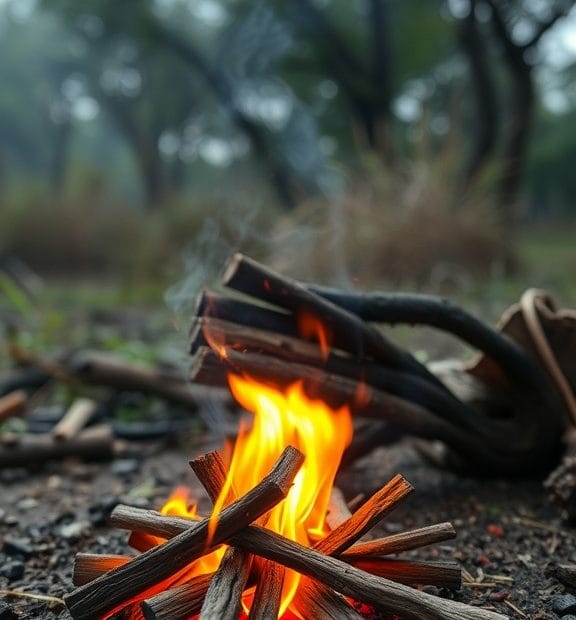
Techniques for Making Fire Without Matches: Exploring Ancient African Methods
Fire has been an essential part of human survival for thousands of years. Among the various skills passed down through generations, the ability to make fire without matches is one of the most fascinating and crucial, particularly in ancient African cultures. These methods not only showcase ingenuity but also highlight the deep connection these cultures have with their environment. Let’s explore some of these remarkable techniques for making fire without matches.
The Bow Drill Method
The bow drill is a classic technique that many ancient African tribes used to create fire. This method requires a few simple tools: a bow, a spindle, and a fireboard. Here’s how it works:
- Bow: A flexible branch with a strong cord tied between the ends.
- Spindle: A straight stick that rotates against the fireboard.
- Fireboard: A flat piece of wood with a small notch cut into its side.
To start a fire using this method, first, you secure the spindle in the bow’s string. Next, you place one end of the spindle into the notch of the fireboard, pressing down with a piece of wood or a stone. By moving the bow back and forth, you spin the spindle against the fireboard. The friction generates heat, and as you continue this motion, the fine wood dust will eventually catch fire. When it does, transfer the ash into a bundle of dry grass or leaves to create a flame.
The Hand Drill Method
If you want to test your endurance and skill, the hand drill is another effective traditional technique. This requires no extra tools, just a spindle and a fireboard. Here’s how to do it:
- Choose a supple yet firm spindle that is about a foot long.
- Make a fireboard from a dry piece of wood, cutting a small divot for the spindle to rest.
Using both hands, roll the spindle between your palms while pressing it down into the divot on the fireboard. Just like with the bow drill, the aim is to create friction until the fine wood dust catches fire. This method requires practice and patience but is a proven way to create fire without matches.
The Fire Plough Technique
The fire plough is less common but still a fascinating technique used in various regions in Africa. It consists of a stick that you push back and forth in a groove on a softer piece of wood. Follow these steps:
- Use a stick about two feet long for the plough.
- Select a softer wood for the base.
By forcefully pushing the stick back and forth along the groove of the softer wood, friction builds up and generates heat. Like the other methods, once the dust from the wood becomes hot enough, you can collect it and ignite your tinder.
The Fire from Spark Technique
This method harnesses natural materials available in the forest, such as stones. Often, flint and steel or quartz rocks are used. Here’s how to produce fire in this intriguing way:
- Find a hard stone that can create sparks, such as flint.
- Use another hard object to strike it—this could also be metal if available.
- Catch sparks onto a nest made of dry leaves or grass.
Once you create sparks, you quickly blow gently on your nest to encourage the spark to turn into a flame. With enough practice and knowledge of your surroundings, this method can yield a fire in no time.
Each of these fire-making techniques offers a glimpse into the resourcefulness of ancient African cultures. By understanding their methods, you not only gain knowledge about survival but also connect with a part of human history that remains profoundly relevant today. Making fire without matches isn’t just a skill; it’s a respect for nature and its resources, highlighting the importance of sustainability in our lives.
The Cultural Significance of Fire in African Survival Traditions
The flicker of fire has always burned brightly in the heart of African survival traditions. Fire is not just a source of warmth and light; it carries deep cultural significance. Across the vast and diverse continent, communities have relied on fire for survival, and it has played a central role in social gatherings, rituals, and daily life.
For many African communities, fire is considered a gift that connects humans to the divine. In various cultures, fire symbolizes life itself. The act of maintaining a fire often reflects a community’s values, responsibilities, and social structure. Understanding the cultural significance of fire helps illuminate how it has shaped survival techniques and traditions over centuries.
Fire serves multiple purposes in traditional African societies. Here are some key aspects of its importance:
- Cooking and Food Preparation: In many African cultures, fire is the primary means for cooking food. It is integral to meal preparation, transforming raw ingredients into nourishing meals. Cooking over an open flame often becomes a communal activity, allowing families and friends to gather and bond.
- Protection: Fire acts as a natural deterrent against wild animals, keeping communities safe during the night. In the past, groups of people would sit around a fire to ward off threats, creating a sense of security and togetherness.
- Social Bonding: Fire is the setting for stories, music, and dance. Evening gatherings around a fire provide a space for sharing experiences, passing down traditions, and strengthening community ties. These stories often convey important lessons about life, survival, and identity.
- Craftsmanship: The use of fire in craftsmanship is significant as well. Blacksmiths, for example, harness fire to mold metal for tools and weapons. The ability to control and utilize fire demonstrates skill and knowledge essential for survival.
- Rituals and Ceremonies: Fire plays a crucial role in various cultural rituals. It often marks important life events such as births, weddings, and funerals. The flames represent purification and renewal, allowing individuals to transition through different life stages.
In many African cultures, the methods to create fire reflect the community’s ingenuity and respect for nature. Traditional techniques often focus on friction-based methods such as
- Hand Drill: This involves spinning a stick against a softer wood base to create an ember. This method requires skill and practice but connects individuals with generations of knowledge.
- Bow Drill: A variation of the hand drill, this technique uses a bow to spin the fire stick. It’s more efficient and effective, often taught to younger generations as part of their survival training.
- Flint and Steel: Some communities have adopted techniques from outside influences, utilizing flint and steel to create sparks. This method is less traditional but highlights the adaptability of fire-making skills.
Passing down these fire-making techniques is vital for preserving cultural heritage. Elders teach the younger generation not only how to make fire but also the respect and significance that comes with it. Learning these skills fosters a sense of identity and belonging, reinforcing the community’s values.
In the modern context, fire remains significant in African traditions. Many communities still engage in fire rituals and gatherings, blending ancient customs with contemporary practices. This fusion honors their history while adapting to new challenges and realities.
The influence of fire in Africa extends beyond survival; it encapsulates a way of life deeply rooted in culture, identity, and community. Understanding its significance is crucial for appreciating the rich tapestry of African traditions. By recognizing the vital role of fire in survival, we can better understand the resilience and adaptability of these communities through time.
Ultimately, fire is not just a physical element; it is a cultural cornerstone that ties generations together. As you explore the diverse traditions of Africa, remember that fire illuminates the path of history, survival, and connection among its people.
Conclusion
Discovering ancient African survival techniques for making fire without matches offers a fascinating glimpse into the ingenuity of past cultures. These methods, such as the bow drill and hand drill, not only demonstrate resourcefulness but also highlight a deep connection between people and nature. Each technique is rooted in an understanding of materials – the right type of wood, dry tender, and consistent pressure – underscoring skills that have been passed down through generations.
Fire itself holds profound cultural significance in African traditions. It is not merely a source of warmth or light; it embodies community and life. For many tribes, the act of gathering around a fire is essential for storytelling, ceremonies, and bonding. Fire symbolizes transformation, safety, and sustenance, reflecting humanity’s reliance on this essential element for survival.
Embracing these ancient methods provides a unique opportunity to reconnect with our ancestors’ wisdom. As modern individuals, learning to create fire without matches can inspire self-sufficiency and foster a greater appreciation for the natural world. It invites you to step outside and engage with the very techniques that sustained countless generations before us. Whether you’re an outdoor enthusiast or simply intrigued by survival skills, these insights into ancient African fire-making techniques can enrich your understanding of tradition, craft, and the elemental role fire plays in human life. By embracing these methods, we honor a legacy that continues to resonate today, bridging the past with the present.