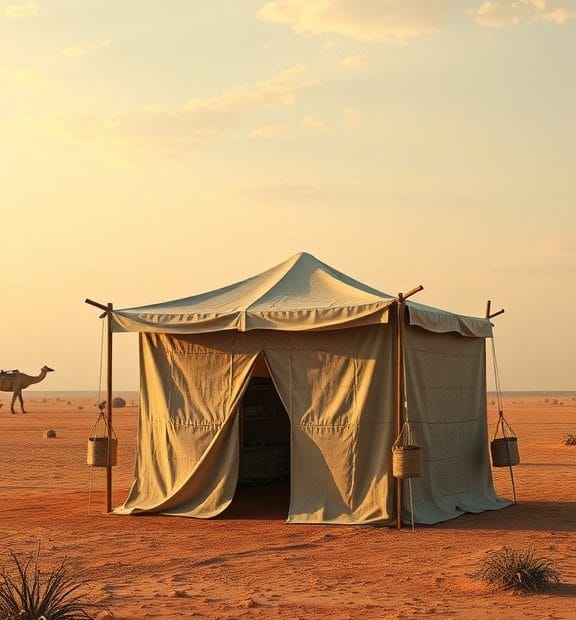
Effective Techniques for Building Quick Emergency Shelters in African Deserts
In the vast and harsh landscapes of African deserts, building quick emergency shelters can mean the difference between safety and danger. Whether you find yourself stranded due to unforeseen circumstances or seeking refuge from extreme weather conditions, knowing effective techniques for constructing a shelter efficiently is essential. Here are some practical methods to help you create a reliable emergency shelter in the desert.
Firstly, understanding your surroundings is crucial. African deserts have particular characteristics that can impact your shelter choice. Here are key factors to consider:
- Weather Conditions: Daytime temperatures can soar, while nights can be extremely cold. Your shelter should provide protection from temperature extremes.
- Wind Direction: Know the common wind patterns. Position your shelter with the entrance away from prevailing winds to minimize discomfort.
- Available Materials: Identify natural resources such as rocks, trees, and vegetation that you can use to build your shelter.
One effective technique involves utilizing natural resources. Depending on the environment, you can use materials like branches, leaves, and rocks. Here’s how to do it:
- Clear the Area: Start by selecting a flat, dry area away from potential hazards like floods or falling rocks. Clear the ground of debris and sharp objects.
- Construct a Frame: Use sturdy branches to create a frame. Arrange them in a teepee structure or lean-to design for stability. Ensure they are securely placed in the ground.
- Add Insulation: Fill in the gaps in the frame with smaller branches, leaves, or grasses to help retain heat. This layering also provides protection from wind.
- Create a Roof: Use larger leaves or branches to create a roof that covers the top of the shelter. This keeps rain and sand out, providing a more comfortable space.
Another method for quick shelter building is utilizing tarps or blankets if you have them available. Tarps are versatile and can be used in various ways:
- Staking Method: Secure one end of your tarp to the ground using stakes. Pull the other end taut and secure it to a nearby tree or rock to form a slanted roof.
- Trench Method: Dig a shallow trench where you want to place your tarp. Lay the tarp across the trench so one side hangs down. This will provide excellent coverage and can offer some wind protection.
In times of extreme heat, creating shade is a priority. If you cannot create an enclosed shelter, consider making a simple shade structure:
- Pole Structure: Use long branches or poles to create an A-frame shape. Secure the poles into the ground at an angle.
- Cover with Fabrics: Drape tarps or any available fabric over the frame to create shade. This structure can remain open on the sides to allow for ventilation.
It is also essential to think about your entrance. If possible, create a flap that you can open and close securely. This can help keep the inner environment sheltered from sandstorms and unexpected weather changes.
Once your emergency shelter is established, it’s vital to focus on comfort and safety. Make use of any available blankets or clothing as bedding. Staying insulated is crucial in the desert nights’ cold. Keep a water supply near your shelter and ensure it is protected from potential contaminants.
If you find yourself in a situation requiring a quick shelter in the African desert, remembering these effective techniques can greatly enhance your chances of survival. Always be aware of your surroundings and mindful of your resources. Each shelter you create should prioritize safety from the environment while providing a space to rest and recharge.
Being prepared with knowledge of these techniques can make a significant difference. In survival situations, every second counts, but having a plan can lead to better outcomes.
Essential Materials for Constructing Desert Shelters in Crisis Situations
Building a quick emergency shelter in the unforgiving landscape of the African deserts requires careful selection of materials. Understanding the types of resources that can be used effectively is critical to ensuring safety and comfort during a crisis situation. Here’s a closer look at the essential materials you should consider when constructing your desert shelter.
Natural Resources
One of the most accessible sources for building materials in the desert are the natural resources already present in the environment. These can include:
- Dried Brush and Grass: These can be used to create a thatched roof, providing shade and insulation against the sun during the day.
- Stones: Larger rocks and stones can serve as a strong foundation or walls, helping to block winds and protect from sandstorms.
- Branches: Sturdy branches can create a frame for your shelter. They are flexible enough to be shaped but strong enough to create a resilient structure.
Tarps and Canvas
While natural materials are great, having portable and versatile options like tarps and canvas is invaluable. They offer quick solutions for shelter that can be set up in minutes. Here’s how you can use them:
- Tarps: Lightweight and easy to carry, tarps can be used to create quick cover. They can be tied to trees or anchored with stones to form a makeshift roof.
- Canvas: More durable than tarps, canvas can withstand stronger winds and serve as a reliable wall to block out the sun.
Plastic Sheeting
Plastic sheeting is another useful material in emergencies. It is lightweight, easy to transport, and highly effective for creating impromptu shelters. Consider these benefits:
- Waterproof: Plastic sheeting can protect you from rain, dew, or heavy winds.
- Reflective Surface: Some plastic sheets have reflective properties that help to keep the interior of your shelter cooler during the hot days.
Rope and Cordage
To assemble your shelter effectively, you will need sturdy rope or cordage. Here’s how it plays a crucial role:
- Tighten Structures: Rope allows you to securely tie together your shelter frame, ensuring stability against desert winds.
- Versatility: You can use cordage for numerous purposes, such as hanging tarps, securing tents, or creating boundary lines.
Insulation Materials
Insulation is essential for temperature control. During the nights, deserts can get extremely cold. Here are some insulation materials to consider:
- Sand: When piled high against the walls, sand can provide natural insulation from the heat of the day and the cold at night.
- Clothing and Blankets: Any extra clothing or blankets can be used to create additional layers inside your shelter for warmth during cool nights.
Additional Considerations
When planning your shelter, think about the location and the elements. Here are additional aspects to keep in mind:
- Location: Choose a spot away from potential falling rocks or flash flood zones. Positioning your shelter for maximum shade can also aid in keeping it cooler.
- Elevation: Setting your shelter slightly elevated can help avoid standing water and shifting sands if rain occurs.
Building a quick emergency shelter in the African deserts can be done effectively with the right materials. By utilizing natural resources, tarps, insulation materials, and proper techniques, you can create a protective environment in a challenging scenario. Always consider your surroundings and prioritize safety while constructing your shelter for maximum effectiveness.
Conclusion
Building quick emergency shelters in the harsh conditions of African deserts is not just about survival; it’s about ensuring safety and providing a sense of security in crisis situations. By employing effective techniques, such as utilizing natural landscape features and understanding the unique challenges presented by extreme temperatures, you can create a functional shelter swiftly. These structures are vital for protection against the sun, wind, and unpredictable weather, making it essential for anyone in a desert environment to grasp these skills.
Selecting the right materials can significantly enhance the quality and durability of your shelter. Items that are lightweight, durable, and readily available, such as tarps, branches, and stones, play a crucial role in your shelter’s effectiveness. It’s also important to consider insulating materials that help maintain a more comfortable temperature inside. Knowing how to combine these resources, whether through layering, shading, or structural integrity, can mean the difference between safety and exposure.
Ultimately, preparedness is key when navigating the unforgiving landscapes of desert environments. Familiarizing yourself with the techniques and materials mentioned will equip you with the knowledge to respond effectively in emergency situations. Making time to practice these skills can ensure that you and your loved ones will be ready to build quick emergency shelter, offering protection and comfort until rescue or relief arrives. By staying informed and proactive, you can master the art of creating a safe haven, even in the harshest conditions.