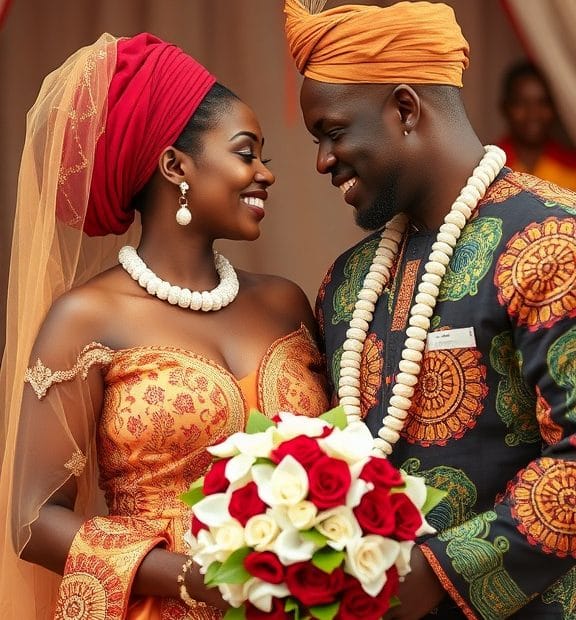
The Rich Diversity of African Wedding Customs Across Various Cultures
African wedding customs reflect rich cultural heritage, showcasing diverse traditions that vary widely across the continent. Each region, tribe, and community has its unique ways of celebrating the union of two individuals. This diversity emphasizes the importance of marriage in African societies, often symbolizing not just the joining of two people but the union of families and communities.
Celebration Styles Across Regions
In West Africa, elaborate celebrations are a hallmark of wedding ceremonies. For example, the Yoruba people of Nigeria have vibrant and colorful ceremonies, often involving traditional attire, music, and dance. The bride, adorned in a beautiful “Aso Oke,” is the center of attention. Meanwhile, the groom dons a traditional outfit, commonly a “Buba” and “Sokoto.” The festivities typically include a “List of Gifts,” where family and friends present items to the couple.
In contrast, the Ashanti people of Ghana emphasize the importance of the bride price, known as “dowry.” This may involve the groom’s family presenting valuable gifts such as gold, textiles, and local foods to the bride’s family. It symbolizes respect and appreciation for the bride’s upbringing and family.
Unique Traditions in Eastern Africa
Moving to Eastern Africa, the Maasai community has distinct customs that highlight their pastoral lifestyle. Traditionally, a Maasai wedding includes the practice of “Blood and Milk” ceremonies, where the men prepare a meal using cattle blood and milk. The bride performs a dance showcasing her skills, which plays a significant role in winning the groom’s family’s approval.
Another fascinating practice is seen among the Kikuyu community, where the groom must seek permission from the bride’s family. This act is a way of showing respect to the woman’s lineage. After gaining approval, both families engage in a livestock exchange, cementing the union between them.
Southern African Wedding Customs
In Southern Africa, the Zulu community showcases colorful practices that make their weddings unique. The bride wears a traditional beaded outfit known as “umhlanga” during her wedding. A significant part of the ceremony is the “Umembeso,” where the groom’s family brings gifts to the bride’s family, including clothing and livestock. This act symbolizes the joining of two families and establishes the responsibilities of each party.
The Xhosa people take a different approach with their wedding practices by incorporating rituals called “bride price” (Lobola) and a series of traditional rites. The Lobola is a negotiation process where the groom pays a set amount to the bride’s family, showcasing commitment and appreciation. This culture emphasizes the importance of family honor and community bonding.
Influence of Colonialism and Modern Trends
Historical influences, such as colonialism, have also played a role in shaping modern weddings in Africa. Many couples blend traditional customs with contemporary practices, such as white wedding dresses and civil ceremonies. This fusion can create a unique experience that honors both tradition and modernity.
For instance, in many urban areas, wedding receptions now showcase a combination of traditional African customs and Western-style parties. Couples might start with a traditional ceremony, followed by a reception complete with DJs, fancy decorations, and a mix of African and Western cuisines. Even with these changes, the core customs still respect ancestral traditions.
Significance of Community and Family
No matter the region, the central theme of African weddings is the involvement of family and community. Marriages are viewed as communal events rather than individual unions. The presence of family members and friends is vital for support and blessing, making every ceremony a grand affair full of joy and cultural expression.
- Cultural Heritage: Weddings often feature songs, dances, and attire that celebrate specific cultural identities.
- Ceremonial Rites: Different rituals embody practices that have been passed down through generations, emphasizing the connection to ancestors.
- Community Involvement: The union brings people together, reinforcing community ties and collective identity.
African wedding customs are a vibrant tapestry of traditions that illustrate the continent’s rich cultural diversity. Each ceremony tells a story about love, respect, and the importance of community. Whether it’s through vibrant dance or elaborate gift-giving, these customs continue to thrive, transforming over time while preserving their intrinsic significance in African society.
Symbolism and Significance of Rituals in African Wedding Ceremonies
African wedding ceremonies are rich in symbolism and significance, each ritual depicting the values, beliefs, and cultural uniqueness of the community. Across various regions and ethnic groups in Africa, couples and families celebrate love not just through vows, but with a mosaic of rituals that strengthen social bonds and reflect deeply held traditions.
One of the most prominent elements in African wedding customs is the exchange of gifts, which symbolizes both commitment and unity. In many cultures, the bride price, also known as lobola, is paid by the groom’s family to the bride’s family. This practice goes beyond mere financial transaction; it represents respect and acknowledgement of the bride’s worth. It strengthens ties between families and solidifies support networks that the couple will rely on throughout their lives.
Rituals such as the tying of the knot or the use of specific wedding attire also play vital roles in these ceremonies. The act of tying the couple’s hands together is a powerful symbol of their union. It shows their intent to navigate life as a team, facing challenges and joys side by side. Traditional outfits, often vibrant and intricately designed, showcase not only personal identity but also cultural heritage. They evoke pride and respect for ancestral traditions, reminding everyone of the power of unity and love within a community.
Colors hold significant meanings in African weddings. For instance, white often represents purity, while red may symbolize love or danger. The couple’s choice in color can reflect their personalities or the values they wish to embody in their marriage. This symbolic use of color goes beyond aesthetics; it establishes a connection between the couple and their community’s cultural narrative.
- Rituals involving family: Weddings often invite family members to partake in specific roles, from blessing the couple to sharing the dance floor. This inclusion exemplifies the interdependence that families share in African cultures.
- Rituals of blessing: Elders traditionally offer blessings during the ceremony. Their wisdom plays a pivotal role, as their blessings are seen as protective shields that guide the couple in their journey together.
- Trees or plants: In some cultures, a tree-planting ceremony symbolizes the growth of the couple’s relationship. The tree serves as a metaphor for their love, as it requires nurturing and care to flourish.
An imbuement of spirituality is also crucial in African weddings. Many ceremonies are accompanied by prayers or rituals to honor ancestors. This not only connects the couple to their family lineage but also invokes blessings and protection for their future. The belief that ancestors play a role in guiding life decisions reinforces the importance of tradition over individualism.
Food plays a symbolic role in many African weddings as well. The preparation and sharing of meals during the ceremony represents abundance and hospitality. Guests share stories and blessings over the feast, which strengthens the community ties. Traditional dishes often reflect the couple’s heritage and upbringing, showcasing the melding of two families through shared culinary experiences.
In addition to the above, music and dance are intrinsic to African wedding celebrations. The rhythms can be seen as manifestations of joy and excitement, inviting everyone to participate in the festivities. Traditional songs often tell stories that resonate with the couple’s journey, further binding the celebration to their unique culture.
The significance of rituals in African wedding ceremonies lies in their ability to weave together the personal with the communal. Each ritual, whether a simple exchange of vows or a complex series of performances, builds a narrative of love that is as rich as the cultures from which it springs. Engaging communities in these celebrations reflects a commitment not just to one another, but to love, life, and lineage.
When you attend an African wedding, you are not merely witnessing a ceremony; you are becoming part of a rich tapestry that stretches across generations. This shared experience fosters a sense of unity and belonging, making the journey of marriage not just a personal commitment, but a collective celebration of life and love.
Conclusion
The exploration of African wedding customs highlights the rich tapestry of traditions that vary across different cultures, each offering a unique perspective on love, commitment, and community. From the colorful attire worn by brides and grooms to the lively dance celebrations, these weddings are both a personal and cultural landmark. Each ritual serves a purpose, enhancing the significance of the marriage ceremony and reinforcing the bonds between families and communities.
The symbolism embedded within these customs is profound, as rituals often represent unity, fertility, and the intertwining of two families. For example, the sharing of drinks or food symbolizes the blending of lives, while certain rites conducted by elders signify blessings and the approval of the union. This depth of meaning reminds participants and spectators alike that weddings are more than just a celebration of love; they are a way to honor heritage and convey shared values.
As you delve into these diverse practices, it becomes clear that every culture adds its own flavor, narrating stories of ancestry and love. Understanding these customs fosters appreciation and respect across cultures, reminding us of our shared humanity. Whether you find yourself attending a Zulu wedding under the stars or a Maasai ceremony adorned in traditional attire, each wedding serves as a beautiful reminder of the importance of love and tradition in our lives. Embracing these customs can enrich our own celebrations, providing an opportunity to connect with both history and community in meaningful ways.