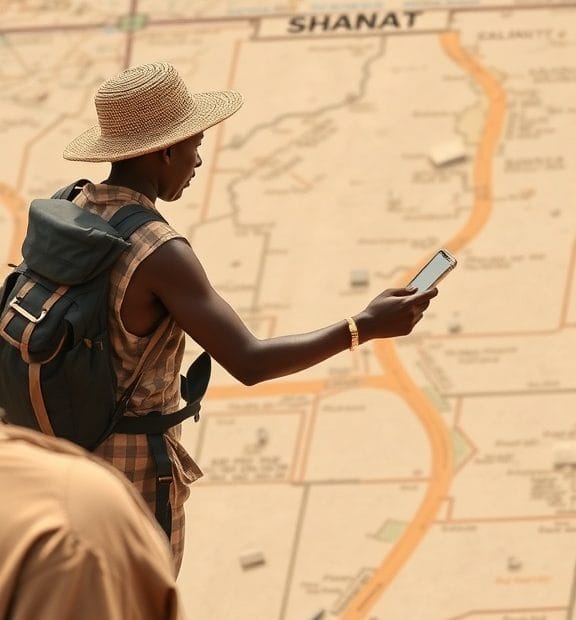
The Art of Finding Direction Without GPS: Exploring African Natural Navigation Techniques
In a world dominated by technology, you might think that navigation without a GPS is nearly impossible. However, for centuries, people across Africa have relied on natural navigation techniques, using the environment and their senses to find their way. Let’s explore these fascinating methods and learn how you can apply them in your own adventures.
One of the key elements of African natural navigation is understanding your surroundings. Different cultures across the continent have developed unique ways to read the land and sky. Here are some essential techniques to get you started:
- Using the Sun: The sun rises in the east and sets in the west. By observing its position, you can determine direction. In the morning, the sun will be to your left if you’re facing north, and in the evening, it will be on your right.
- Observing the Stars: At night, the stars can guide you. The Southern Cross, for instance, is a vital constellation in the southern hemisphere. You can find true south by extending a line from the two stars at the end of the cross.
- Identifying Landmarks: Natural features like mountains, rivers, and big trees can act as guides. Familiarize yourself with the notable landmarks in your area, as they will help anchor your sense of direction.
- Animal Behavior: Animals can also provide direction clues. Birds typically fly toward water sources or nesting areas, and their activity can hint at nearby features such as rivers or forests.
Another essential skill in natural navigation is the use of plants and the terrain. Observing certain plants can guide you in the right direction:
- Favorable Vegetation: In many regions, certain plants can indicate the proximity of water. Where there are palm trees, for instance, there’s often a water source nearby.
- Tree Growth: The direction of tree growth can also reveal important navigational clues. Trees typically grow more on one side where sunlight is abundant. If you notice a cluster of trees tilting towards the light, it might indicate east or west.
Using the wind can provide additional guidance. Different directions can have various wind patterns. By knowing the common wind direction in an area, you can use it to adjust your path. For example, if you feel a consistent breeze, you can check if it aligns with a known area, helping you maintain your course.
Mistakes are part of the journey, and learning from them is vital in improving your skills. As you practice natural navigation techniques, you might occasionally stray off course. Rather than panicking, taking a moment to observe your surroundings can help you recalibrate and rediscover your way.
One effective tip is to keep a journal of your observations. Recording the weather conditions, animal behaviors, and plant growth over time can enhance your understanding of natural navigation. This knowledge becomes invaluable when out in the wild.
Additionally, practicing these techniques regularly can sharpen your instincts. Start by navigating in familiar areas. As you grow more confident, challenge yourself in different surroundings. Whether you are walking in local parks or hiking in the mountains, every little practice counts.
Remember, observing the environment isn’t just about finding your way; it’s also a way to connect with nature. Just as ancient African tribes learned from their surroundings, you too can develop a deeper understanding of the world around you. It’s a rewarding experience that goes beyond map reading or screen navigation.
Before heading out, it’s also wise to ensure you have the right gear for comfort and safety. Proper footwear, weather-appropriate clothing, and basic first aid supplies are crucial for your journey. While embracing the art of navigation without GPS, always prioritize safety and preparation.
Finding direction without GPS may seem daunting at first, but with practice and observation, you can become skilled in these ancient techniques. By using the sun, stars, plants, animals, and wind, you’re not just navigating; you’re also tapping into a rich heritage of knowledge that has guided countless generations before you. So, the next time you venture out, remember to look up, observe your surroundings, and trust your instincts – the world is ready to guide you.
The Role of Nature in Guiding Explorers: Lessons from Traditional African Navigation Practices
Explorers have always looked to the world around them for guidance. Before GPS and modern technology, traditional African navigation practices drew wisdom from nature itself. This ancient method, still relevant today, illustrates how understanding the environment can lead to successful navigation. By tuning into the rhythms of the natural world, navigators found their way long before digital maps existed.
One of the core aspects of traditional African navigation is celestial observation. The stars have served as very reliable guides for many cultures. Navigators would familiarize themselves with the night sky, identifying key constellations. For example, the Southern Cross is easily recognized and plays a crucial role in southern hemisphere navigation. Similarly, the North Star has guided explorers in the northern hemisphere for generations. This also underscores the importance of knowing seasonal changes, as they affect star visibility.
Another significant component is understanding the winds and ocean currents. African mariners would have a deep awareness of local winds, which vary by region and time of year. In the Indian Ocean, for instance, understanding monsoon patterns can determine safe sailing seasons. The predictable flow of currents also offers vital cues for explorers looking to harness nature’s power to reach their destination efficiently.
Landmarks serve as a natural compass as well. Experienced navigators would rely on distinctive trees, mountains, or rock formations. For example, in parts of East Africa, the Baobab tree stands as a crucial navigational marker. Its unique shape is easy to identify from a distance, allowing explorers to orient themselves effectively. Such landmarks aren’t just physical markers; they hold cultural significance and stories that enhance their navigational value.
Wildlife also plays an essential part in navigation. Certain animal behaviors can indicate where to find water or food. For example, the migration patterns of birds may signal the availability of seasonal resources. Observing animal tracks allows travelers to gather information about the presence of nearby water sources or fertile hunting grounds. Natural intuition around wildlife contributes to a deeper understanding of one’s surroundings and aids in decision-making.
Weather patterns present another crucial element in traditional navigation. Navigators who track clouds, humidity, and wind patterns are more likely to predict approaching storms or favorable weather. The ability to read the sky is akin to reading a map, ensuring that explorers stay ahead of the elements. Understanding microclimates can impact whether a journey is safe or if it should be postponed.
Community knowledge plays an invaluable role in traditional African navigation as well. Oral traditions passed down stories of explorers who thrived through their understanding of nature. Elders would share their experiences with younger generations, building a reservoir of wisdom that could last lifetimes. This sense of community connection fosters a culture of learning and shared knowledge. Some navigators still rely on these oral traditions, reminding us that the collective memories of a community can guide individual journeys.
Here are some key methods used by traditional African navigators:
- Celestial Navigation: Using stars and celestial bodies for direction.
- Environmental Cues: Observing winds, currents, and weather patterns.
- Landmarks: Recognizing distinctive natural features as navigational guides.
- Wildlife Behavior: Monitoring animal movements to locate resources.
- Community Knowledge: Relying on historical narratives and experiences shared by predecessors.
Finding direction without GPS demonstrates that ancient wisdom holds significant value in our fast-paced world. By reconnecting with nature, modern explorers can learn valuable lessons from traditional practices. Each of these methods emphasizes a respectful relationship with the environment, fostering a sense of place and purpose. It is this connection that provides a reliable guide for those willing to look beyond digital technology and find their way through the language of nature.
As challenges in navigation evolve with modern technology, the fundamental lessons from traditional African navigation practices still resonate. The ability to read the stars, observe wildlife, and understand weather patterns can empower explorers today. Whether trekking through wild landscapes or navigating through life, these ancient skills provide both wisdom and direction, allowing us to forge our paths guided by the wisdom of those who came before us.
Conclusion
As we delve into the wisdom of African natural navigation, it becomes clear that the techniques rooted in centuries of experience offer invaluable lessons for modern explorers. By observing the sun’s position, the patterns of the stars, and the behavior of wildlife, traditional navigators have honed a skill set that remains relevant even in today’s digital age. These techniques not only guide travelers through uncharted territories but also foster a deeper connection with the environment.
The natural world is filled with signs that can help you find your way, offering a sense of reassurance that technology sometimes lacks. Understanding how to read these indicators equips you with the confidence to navigate unfamiliar landscapes without relying solely on GPS. It encourages you to slow down and appreciate your surroundings, turning every journey into an opportunity for discovery.
Moreover, the role of community and shared knowledge in African navigation practices emphasizes the importance of collaboration and storytelling. By learning from those who have come before us, you can embrace a more holistic approach to exploration, where intuition and skills work hand in hand with technology.
Embracing African natural navigation techniques inspires you to reconnect with nature and see it as an ally rather than merely a backdrop. By adopting these time-tested methods, you not only enhance your ability to find direction but also cultivate a sense of adventure and wonder that truly enriches your travel experiences. So, whether you’re hiking a mountain or wandering through a city, remember to look to the natural world around you for guidance.